
Academic skills are the foundation of every student’s success in school, college, and higher education. Whether you are preparing for exams, writing assignments, or working on research projects, strong academic skills help you learn faster, think better, and perform confidently.
In simple words, academic skill are the abilities that help you understand information, solve problems, communicate ideas, and manage your studies effectively. These skills are not limited to classrooms only—they also support your future career and personal growth.
Today’s education system demands more than memorizing information. Students need critical thinking, research ability, digital literacy, and strong communication. That’s why learning academy skills is more important than ever.
What Are Academic Skills?
Educational skills refer to the set of abilities that help learners succeed in educational environments. These skills support studying, reading, writing, researching, and understanding complex topics.
In most cases, academic skills include:
- Understanding and analyzing information
- Writing clearly and logically
- Reading and comprehending texts
- Managing time and assignments
- Researching credible sources
- Thinking critically and solving problems
These skills are essential not just for exams, but for lifelong learning and professional success.
Importance of Academic Skills in Student Life
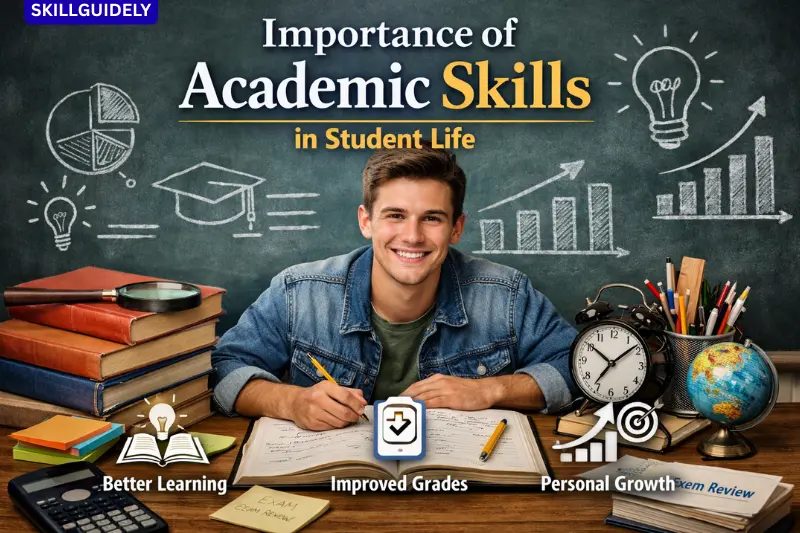
Academic skills play a major role in shaping a student’s success. Without them, even a smart student may struggle to perform well.
Here’s why they matter:
They improve learning efficiency by helping you understand topics faster and remember information longer. They also increase academic performance by improving your writing, reading, and exam results. Strong academic skill build confidence, especially during presentations, exams, and group tasks.
Another important benefit is career readiness. Many workplace skills such as communication, teamwork, research, and problem-solving come directly from academic training. In simple terms, good academic skills make both education and career paths easier.
Core Academic Skills Every Student Should Learn
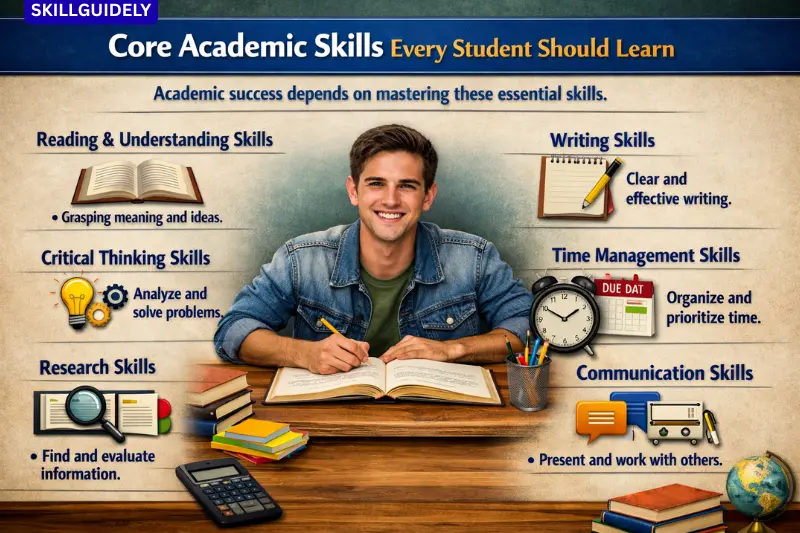
Academic success depends on mastering a group of essential skills. Let’s understand them in a simple way.
Reading and Understanding Skills
Reading is not just about looking at words. It is about understanding meaning, context, and ideas. Strong reading skills help students perform better in exams and research tasks.
Writing Skills
Writing skills help you express ideas clearly in essays, reports, and assignments. Good writing is structured, logical, and easy to understand.
Critical Thinking Skills
Critical thinking means analyzing information instead of accepting it blindly. It helps you make better decisions and solve academic problems effectively.
Time Management Skills
Time management helps students complete assignments before deadlines and balance studies with personal life.
Research Skills
Research skills help you find reliable information, use academic sources, and support your arguments with evidence.
Communication Skills
Good communication helps in presentations, group work, and classroom discussions.
Academy Skills Examples for Better Understanding
To make academic skills clearer, let’s look at practical examples students use daily.
A student taking notes during a lecture is using note-taking skills. A student writing an essay with proper structure is using writing skills. A student solving problems using logic is using analytical thinking. A student working in a group project is using teamwork and communication skills.
These examples show that academic skills are used in almost every learning activity.
Academic Research Skills: The Backbone of Higher Education
Academic research skills are extremely important for university students. These skills help students find, evaluate, and use information correctly.
Good research includes using reliable sources such as academic journals, books, and verified databases. It also involves understanding how to cite sources properly to avoid plagiarism.
Students with strong research skills can write better essays, complete higher-quality assignments, and perform well in academic projects.
Research skills also include:
- Identifying research questions
- Analyzing data
- Comparing different sources
- Drawing logical conclusions
In higher education, research skills often decide academic success.
Academic Skills for ESL Learners and Reading Development
For ESL (English as a Second Language) students, academical skills become even more important. One major challenge is reading comprehension.
Many academic papers on developing ESL reading skills highlight strategies like vocabulary building, contextual reading, and structured practice. These techniques help learners understand academic texts more easily.
Improving ESL academic skills includes:
- Reading academic articles daily
- Learning subject-specific vocabulary
- Practicing summarizing paragraphs
- Improving grammar understanding
With consistent practice, ESL learners can significantly improve academic performance and confidence.
Test of Essential Academical Skills (TEAS)
The test of essential academic skills (TEAS) is an important standardized exam used for nursing and healthcare program admissions.
It evaluates a student’s ability in areas like reading, mathematics, science, and English language usage. This test measures how well a student can handle academic challenges in healthcare education.
Preparing for TEAS requires strong academic skills such as comprehension, problem-solving, and time management. Students who master these skills perform better in the exam.
TEAS (Test of Essential Academic Skills) Preparation Skills
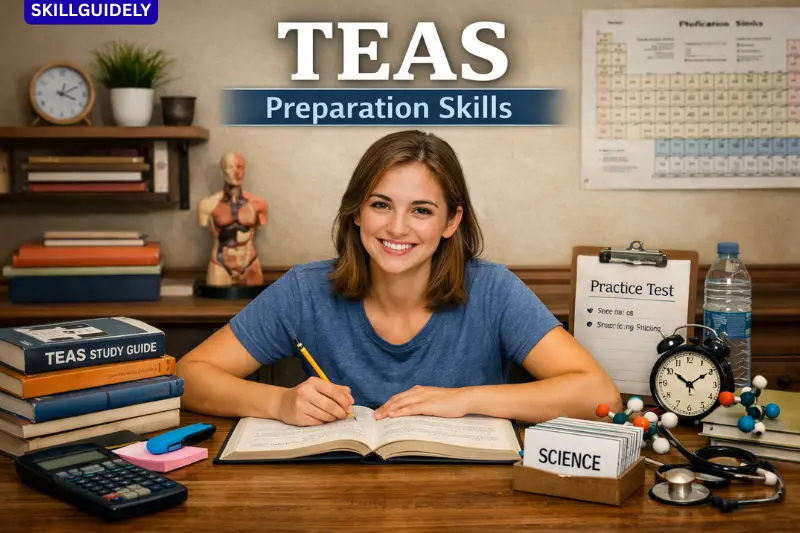
The TEAS exam is not just about knowledge; it is about applying academic skills under pressure.
To prepare effectively, students should focus on:
Understanding reading passages quickly, solving math problems accurately, and improving scientific reasoning skills. Regular practice tests also help improve speed and accuracy.
Strong academic skills are the key to success in TEAS.
Praxis Core Academic Skills for Educators
The Praxis Core Academic Skills for Educators is another important exam used for teacher certification programs.
It evaluates reading, writing, and mathematics skills needed for future educators. This test ensures that teachers have strong foundational academic abilities.
Students preparing for Praxis Core must focus on clarity in writing, comprehension in reading, and accuracy in math problem-solving. These academical skills are essential for classroom teaching success.
Non-Academical Skills vs Academic Skills
Understanding the difference between academic and non academical skills is important for balanced development.
Academical skills focus on learning, studying, and intellectual performance. Non academic skill include emotional intelligence, leadership, creativity, adaptability, and social behavior.
Both types of skills are important. While educaitonal skills help you succeed in exams, non academic skills help you succeed in life and workplace environments.
A successful student usually has a combination of both.
How to Improve Academic Skills Effectively
Improving academic skills requires consistency and the right approach.
One of the best ways is regular practice. Reading daily, writing summaries, and solving problems helps build strong skills over time.
Another method is using structured study techniques like active recall and spaced repetition. These methods improve memory and understanding.
Students should also set clear academic goals and track their progress regularly. Staying organized and managing time effectively also plays a big role in improvement.
Learning is a continuous process, and academic skills grow stronger with practice.
Academic Skills in Real Life and Career Growth
Academic skills are not limited to classrooms. They play a major role in professional success as well.
In the workplace, employees use academic skills for communication, problem-solving, teamwork, and decision-making. Writing emails, preparing reports, and analyzing data all require strong academic foundations.
This is why employers value candidates with strong academic backgrounds. These skills show discipline, intelligence, and adaptability.
Frequently Asked Questions
What are academic skills in simple words?
Academic skill are the abilities that help students learn, understand, and apply knowledge effectively in school, college, and higher education. These include reading, writing, research, and critical thinking.
Why are academic skill important for students?
Academic skills are important because they improve learning, boost exam performance, and help students manage assignments efficiently. They also build confidence and prepare students for future careers.
What are some common academic skill examples?
Common academic skill examples include note-taking, time management, writing essays, reading comprehension, research skills, teamwork, and problem-solving abilities used in daily study tasks.
How can I improve my academical skills quickly?
You can improve academic skill by practicing daily reading, writing summaries, managing your time properly, using active learning techniques, and setting clear study goals for yourself.
What are academic research skills?
Academic research skills refer to the ability to find, evaluate, and use reliable information for assignments or projects. They include analyzing sources, citing correctly, and forming evidence-based arguments.
What is the difference between academical skills and non academic skills?
Academical skills focus on learning, studying, and intellectual tasks like writing and research. Non academy skills include personal abilities like leadership, emotional intelligence, creativity, and communication in social life.
What are academic skills in higher education?
In higher education, academic skill include advanced reading comprehension, critical thinking, academic writing, research abilities, and time management needed for complex coursework and exams.
What are TEAS academic skills?
TEAS academic skill refer to the abilities tested in the Test of Essential Academic Skills, including reading, mathematics, science, and English. It is used for admission into healthcare programs.
What are Praxis Core academic skills for educators?
Praxis Core academic skill for educators are reading, writing, and math skills required for teacher certification programs. These skills ensure educators have strong academic foundations.
Can academic skill help in career success?
Yes, academic skills are highly valuable in careers. Skills like communication, research, problem-solving, and critical thinking are widely used in workplaces and improve professional performance.
Final Thoughts on Academic Skills
Academic skills are essential for every student who wants to succeed in education and beyond. From reading and writing to research and critical thinking, these abilities shape your learning journey.
By improving Educational skills, students can perform better in exams, understand subjects deeply, and build strong career foundations. Whether you are preparing for TEAS, Praxis Core, or general studies, these skills will always support your success.
Learning academical skills is not a one-time process—it is a lifelong journey that builds confidence, knowledge, and opportunity.