Selecting the right wound care continuing education for physical therapist roles is rarely as simple as finding a course that fits your weekend schedule. In clinical practice—whether in home health, acute care, or skilled nursing—wound evaluation requires immediate decision-making, precision in sharp debridement, and flawless billing documentation.
Many physical therapy (PT) programs touch on the integumentary system briefly, leaving clinicians to navigate complex tissue staging, exudate management, and negative pressure wound therapy (NPWT) on the job. Much like clinicians pursuing specialized training in neuro physical therapy continuing education
, physical therapists focusing on wound management need targeted, evidence-based coursework. This guide breaks down what high-impact wound care training actually delivers, how to differentiate credentials, and how to choose an accredited program without wasting time or money.
Why Integumentary Skills Shift Clinical Outcomes and Reimbursement
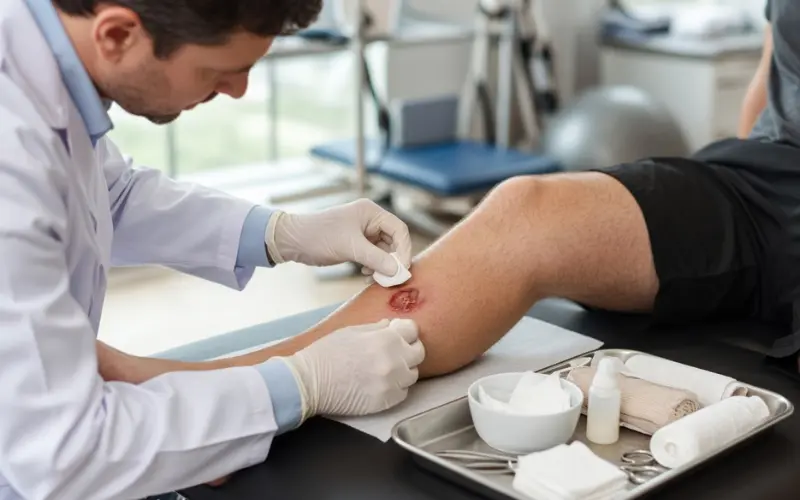
Wound management is one of the few PT domains where clinical skill directly impacts both patient recovery timelines and facility financial compliance. A surgical site complication in outpatient rehab or an undetected pressure injury during a home health intake can rapidly turn into a major liability.
1. Accurate Staging Reduces Denial Rates
Insurance payors scrutinize CPT codes related to wound care modalities and debridement. Proper training ensures your documentation clearly justifies medical necessity, protecting your clinic from recoupments and claim rejections.
2. Expanding Your Scope of Practice
Mastering advanced dressings, compression bandaging, and topical interventions elevates your role within interprofessional healthcare teams. Physicians and case managers consistently prioritize PTs who can independently manage chronic vascular ulcers and neuropathic wounds.
Certification vs. Certificate of Completion: Understanding the Distinction

One common point of confusion among PTs is the difference between earning a course completion certificate and achieving board certification.
| Parameter | Certificate of Completion | Board Specialty Certification (e.g., CWS®, WCS) |
| Primary Goal | Provides CEU hours and foundational skills | Demonstrates advanced mastery and clinical specialization |
| Time Commitment | 8 to 30 hours | 40+ hours of prep + hundreds of clinical hours |
| Examination | Basic end-of-course quiz | Standardized national board exam |
| Professional Impact | Meets state licensure renewal requirements | Formal clinical title recognized by employers and referral networks |
Note: Short webinars are excellent for refreshing dressing selection knowledge, but they do not qualify you as a certified wound specialist.
Essential Components of High-Quality Wound Care Training
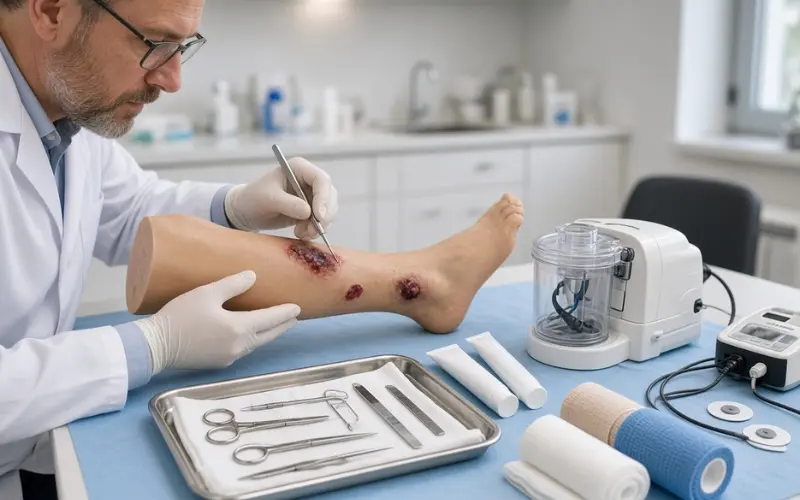
When evaluating a physical therapy wound care course, verify that the curriculum covers these essential clinical areas:
- Assessment and Classification: Staging pressure injuries, differentiating venous from arterial ulcers, and measuring diabetic foot lesions accurately.
- Applied Debridement: Practical guidance on sharp, enzymatic, autolytic, and mechanical debridement within your state’s physical therapy practice act.
- Advanced Modalities: Practical training in NPWT, compression wraps, and electrical stimulation.
- Documentation and Legal Scope: Defensive charting techniques that meet Medicare standards and clarify physician delegation rules.
How to Select the Right CE Program for Your Practice Setting
To maximize your investment, align your education with your specific work environment:
- Home Health & Skilled Nursing Facilities (SNFs): Focus on courses emphasizing chronic venous ulcers, multi-layer compression systems, and home-based NPWT management.
- Outpatient Orthopedic Clinics: Prioritize training on early surgical site infection detection, scar tissue management, and referral pathways.
- Acute Care & Specialized Wound Centers: Invest in comprehensive 30+ hour courses that prepare you for formal credentialing exams and hands-on sharp debridement labs.
FAQs: Physical Therapy Wound Care Continuing Education
How does wound care continuing education for physical therapist options improve daily clinical practice?
Completing specialized wound training equips physical therapists with precise assessment skills, allowing them to select appropriate dressings, execute safe debridement techniques, and chart defensible clinical notes that simplify reimbursement.
Are physical therapists legally allowed to perform sharp debridement after taking a CE course?
In most jurisdictions, sharp debridement falls within the physical therapy scope of practice, provided the clinician has demonstrated competency. However, clinicians must verify their specific state practice act and facility rules before performing selective debridement.
What is the average cost of wound care CEUs for physical therapists?
Introductory online CEU modules range from $50 to $200. Intermediate practical certificates generally cost between $300 and $800, while comprehensive board-prep programs with physical lab kits range from $1,000 to $1,600.
Final Clinical Takeaways
Investing in wound care continuing education for physical therapist practice is not about accumulating credit hours at the last minute. It is about building clinical autonomy, improving patient outcomes in complex cases, and protecting your documentation against insurance audits. Evaluate courses based on practical depth, accreditation, and practice relevance to ensure your learning translates directly to the clinic floor.
References and Resources
- American Physical Therapy Association (APTA) – Academy of Clinical Electrophysiology & Wound Management
- American Board of Physical Therapy Specialties (ABPTS) – Wound Management Specialist Certification Standards
- National Pressure Injury Advisory Panel (NPIAP) – Prevention and Treatment of Pressure Ulcers/Injuries Clinical Practice Guideline
- Centers for Medicare & Medicaid Services (CMS) – Physical Therapy Local Coverage Determinations (LCDs) for Wound Care